
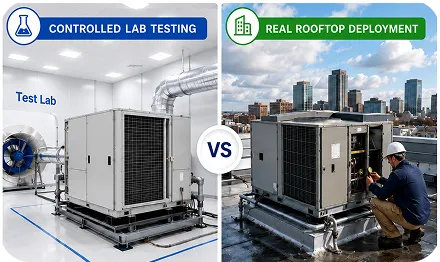
Establish a performance reference based on actual operating conditions, providing a foundation for evaluating changes over time.
Identify recurring patterns, long-term trends, and performance changes that routine inspections may not reveal.
Detect gradual changes in system performance that may indicate declining efficiency, emerging equipment issues, or opportunities for earlier intervention.
Turn performance insights into informed maintenance, efficiency, retrofit, and capital-planning decisions.
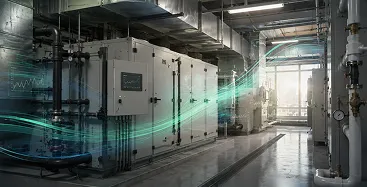
Evaluate HVAC performance under actual building conditions, beyond standardized ratings and design assumptions.
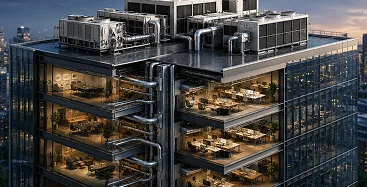
Understand system performance in relation to weather, building demands, operating schedules, and changing conditions.
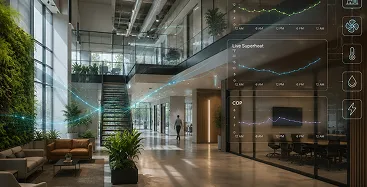
Provide an independent perspective on equipment performance, free from manufacturer influence or sales goals.
Use independent performance insights to guide maintenance priorities, efficiency improvements, equipment upgrades, and long-term capital investments.
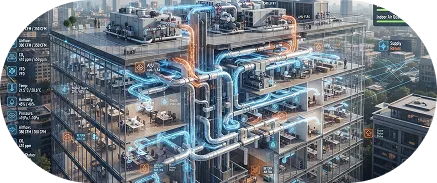
Understand how installed HVAC systems perform under actual operating conditions.
Evaluate retrofit opportunities based on demonstrated operational needs.
Support investment decisions with evidence from actual equipment performance.
Make decisions based on building priorities—not equipment sales incentives.
Predictive Maintenance Insight
TrueClime identifies changes in operating performance that may signal emerging equipment problems, helping facility teams investigate earlier and make better-informed maintenance decisions.
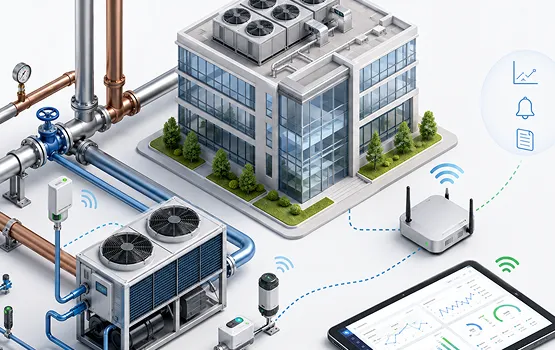
Track changes in efficiency over time as operating conditions shift. Persistent deviation from expected performance can reveal degradation before it becomes obvious in utility cost or comfort.
Identify when delivered cooling or heating performance no longer aligns with building load. Emerging mismatch can indicate declining capacity, control inefficiency, or changing system behavior.
Monitor changes in temperature relationships across coils, heat exchangers, and system stages. Increasing approach or reduced heat-transfer effectiveness can surface developing performance loss.
ESG & Sustainability Support
Gain a clearer understanding of HVAC energy performance to identify efficiency opportunities and support informed sustainability decisions.
Identify opportunities to reduce unnecessary energy consumption.
Support efforts to reduce operational energy-related emissions.
Understand actual HVAC performance and changes over time.
Inform sustainability planning with evidence-based insights.
Strategic Lifecycle Planning
Assess Assets
Compare Performance
Identify Opportunities
Plan Investments